
Complex PTSD (CPTSD) & Trauma Therapy
Virtually in California & In-person in Los Angeles
Healing the Effects of Childhood Trauma, CPTSD, and Emotional Wounds
Therapist for Childhood Trauma in California (Los Angeles, CA)
People who experience childhood trauma often develop Complex PTSD (C-PTSD)
CPTSD develops in unsafe, abusive and chaotic homes. If you think you have CPTSD, please continue reading this page. I hope it provides some useful insights for your healing journey. CPTSD permeates our entire sense of self, keeps us disconnected, hyper-vigilant and consumed with negative self-talk and painful feelings about the self.
Connection is hard. Love is hard. Relating is hard. Self compassion is hard.
There is hope. CPTSD requires a safe, therapeutic environment for healing. I know what its like to feel so ‘on’ for years and years that finding safety in your body and current life feels impossible. Trauma therapy teaches us how to reconnect with the self, process these painful experiences from childhood, regain our inner sense of strength and learn to love ourselves so we can live the safe and connected life we deserve.
What is CPTSD and how does it develop?
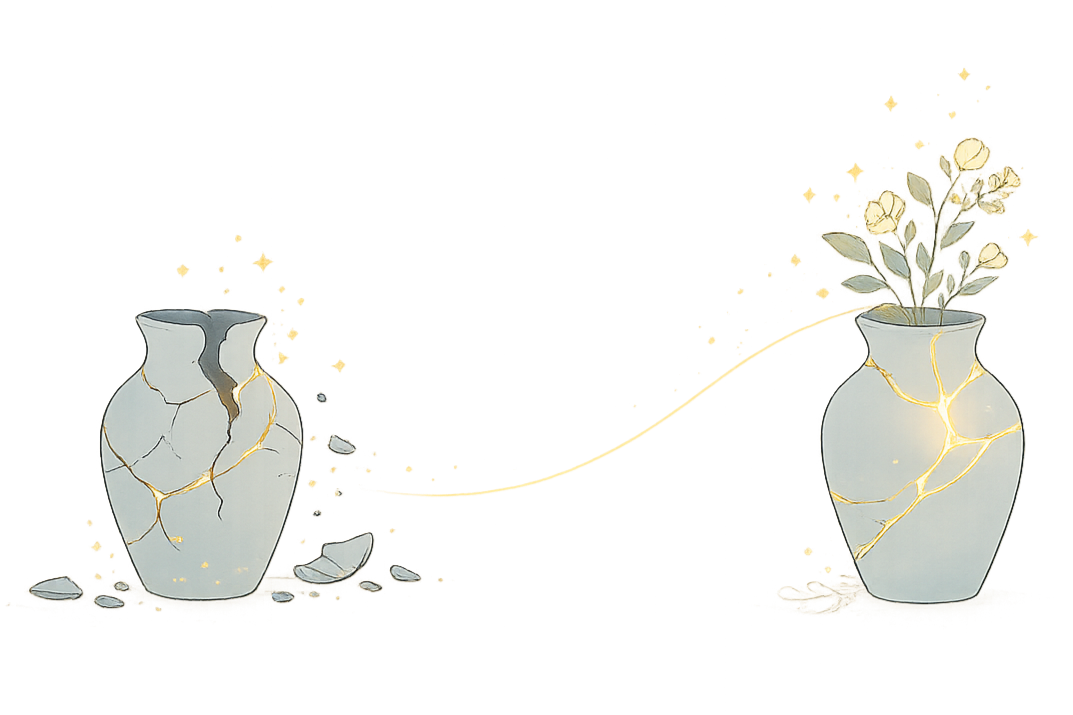
Complex PTSD (CPTSD) vs PTSD
PTSD is post-traumatic stress disorder. PTSD develops after a traumatic event, such as a car accident, a sexual assault, warfare, natural disasters and other forms of physical and psychological violence. Many adults who experienced trauma as children have CPTSD.
Complex PTSD develops due to repeated traumatic events, most often occurring throughout someone’s childhood. People with CPTSD are typically abused as children. The most common forms of abuse are physical, sexual, emotional and psychological (such as extreme neglect or early abandonment).
Most adults with CPTSD were raised in severely unsafe, chaotic or violent home where their basic needs as children were not met. Violence and neglect are commonplace, and most adults are desensitized or unaware to the pervasive ripple effects that trauma has on the mind, body and soul.
Inner Critic and Negative Self Talk: The Most Challenging Aspect of CPTSD
The most challenging and pervasive aspect of treating CPTSD is navigating the ruthless, harsh and mean inner critic that takes over the self as a means of protection. We all have an inner critic, some more than others. This voice in our head absorbs all the ‘rights and wrongs’ from society and is supposed to protect us from doing something ‘crazy’ so we can safely belong to a community. The inner critic might be hard on you if you’re late to work one day or forget to respond to an important email. Its there to keep us in ‘check’ so we don’t get fired, forgotten, rejected, etc.
However, small children growing up in severely neglectful or abusive homes develop an over-functioning inner critic that over-reacts, over-criticizes and abuses us to the point of dissociation collapse, self harm or sometimes even explosions or moments of violence onto ourselves or others around us.
Our sense of self is not able to develop healthily in such an abusive home. Parts of us hide. Parts of us over-function to keep us safe. We absorb the harsh abusive and rejecting words in our home environment. They are internalized and fester because there is no one there to comfort most children in these environments. There is no one there to tell you’re special, you’re loved, you’re doing a great job and provide the nurture that we need. Some clients share confusion because they were given compliments and told they were loved, but these were often separate from the abuse. Most often, the abuse was not acknowledged.
Because these harsh and abusive words fester, they grow in us like a cancer and the voice gets meaner, harsher, more specific and more convincing. It no longer feels like a ‘voice’ and it feels like the truth.
The voice often tells you that you’re awful, horrible, stupid, pathetic, deserve to be shamed, rejected or undeserving. The voice also convinces us that people close to us are not to be trusted. We grow into adults who don’t know how to safely or vulnerable communicate our needs or feelings because our inner critic and years of unprocessed abuse and betrayal have taught us that no matter how safe someone appears, they could abandon, betray or humiliate you at any moment. The adult child often remains stuck in patterns of isolation and pain because trusting themselves and others becomes scary or feels unrealistic.
There is hope. You don’t have to go through it alone.
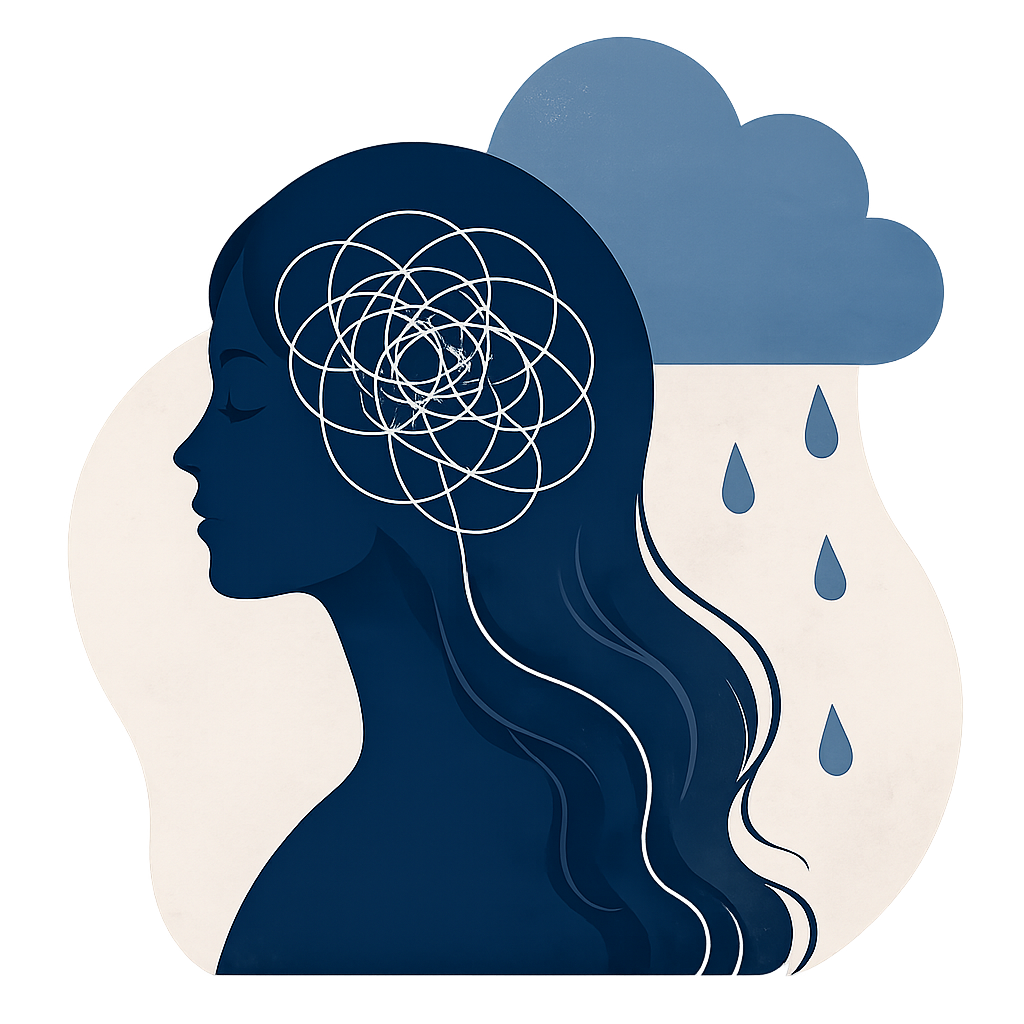
The Process of Therapy for CPTSD
Treating child abuse is not just about talking. It isn’t always useful to replay traumatic events over and over again. For many adults, this can be destabilizing, depressing and re-traumatizing.
Trauma disrupts our nervous system. CPTSD, at its core, is a relational and nervous system condition. We don’t feel safe trusting ourselves, our instincts, our emotions or any other people. Small ruptures (or what I call ‘vibe shifts’) can trigger a disorienting feeling of distrust and paranoia.
Psychoeducation
A key component of CPTSD is helping individuals understand the structure of their mind and nervous system. We explore what trauma is and what it does to your mind, body and sense of self. Many people feel so much relief when they realize their experiences of dissociation, paranoia, negative self talk and dysregulation are not because they’re ‘broken’ but because they have untreated trauma and CPTSD.
Emotional Flashbacks
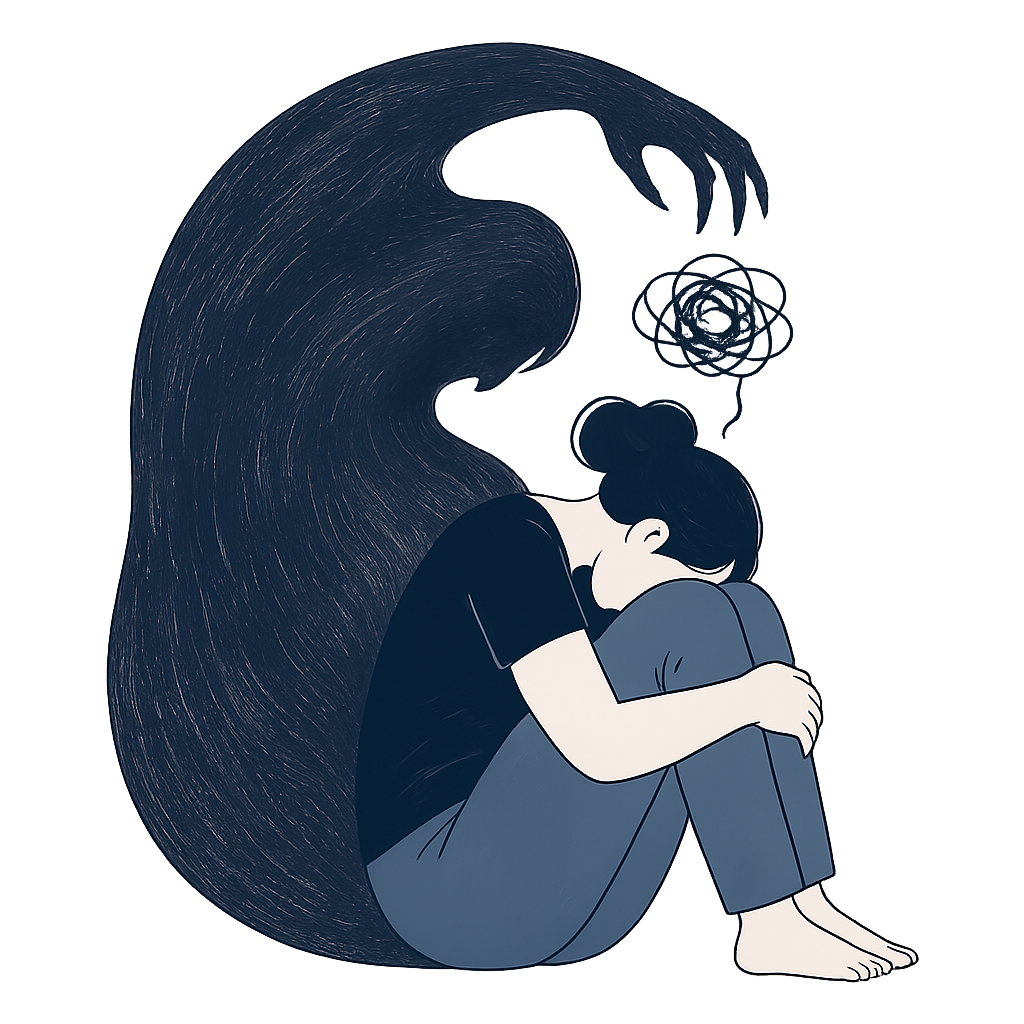
Many people with CPTSD have no idea they are experiencing frequent emotional flashbacks. Often times PTSD flashbacks are triggered by sounds or images. Imagine someone who was deployed overseas during war and is now living back at home - sirens or loud bangs could mimic what was heard during war and might feel an impulse to duck and cover even though they are safely in their backyard. People with CPTSD experience flashbacks and emotional flashbacks that are normally sudden feelings of shame, terror, abandonment, defectiveness, worthlessness, humiliation and paranoia. We learn to identify these flashbacks, their triggers and how to ground ourselves and respond accordingly.
Grieving Your Childhood
A majority of the adults I work with do not care to grieve their childhood or connect with their ‘inner child.’ It feels unnecessary and uncomfortable. However, it is a crucial aspect of healing. As children, we are unable to feel the sadness and crushing aloneness of our childhoods and we deny ourselves the right to feel angry and hurt that we were so grossly mistreated. We learn to stop fighting this painful reality, process the feelings and allow ourselves to grieve some of this pain. It helps us find our inner strength and feel more free.
Shrinking The Inner Critic
We work together to bring this voice into therapy. As loud, mean and harsh as it is. We allow it to be heard to its fullest extent and work collaboratively to understand the function of this voice, the core wounds it is attempting to protect against and build an effective, firm, empowering and compassionate voice as a a response. This is challenging but so rewarding.
Relationships and Self Love
Once the ruthless negative self talk is more manageable, we begin to build a safer and more loving relationship with this self. This entails everything from changing habits, building healthier self care, setting and working towards goals (personal, professional, creative) that help build healthy self esteem and connection with the self. These are not tough homework assignments, more like walking through nature or taking a yoga class. I love helping my clients find ways to show themselves they matter, they are important and they are allowed to indulge in activities that make them feel good.
This is how we build love for ourself when we have survived a traumatic environment. We have to pour so much love into ourselves.
We then begin working on relationships. This starts with understanding your needs in relationships. For many adults with CPTSD, these needs are about feeling trust, safety and connection. Learning how to have manageable conflicts with effective repair. Learning how to say ‘that hurt me, can we talk about it?’ rather than suppressing, abandoning or exploding. We find that some dynamics don’t serve us, while others are available for our needs but don’t always know the right thing to say or do.
We learn to work together with the people in our lives to build safety, intimacy, connection and most importantly: fun.

Trauma therapy isn’t just about reliving the past or talking about your childhood in circles. Trauma disrupts our nervous system and shapes how we move through the world. Most are stuck in some form of survival mode without even realizing it or knowing how to turn it off.
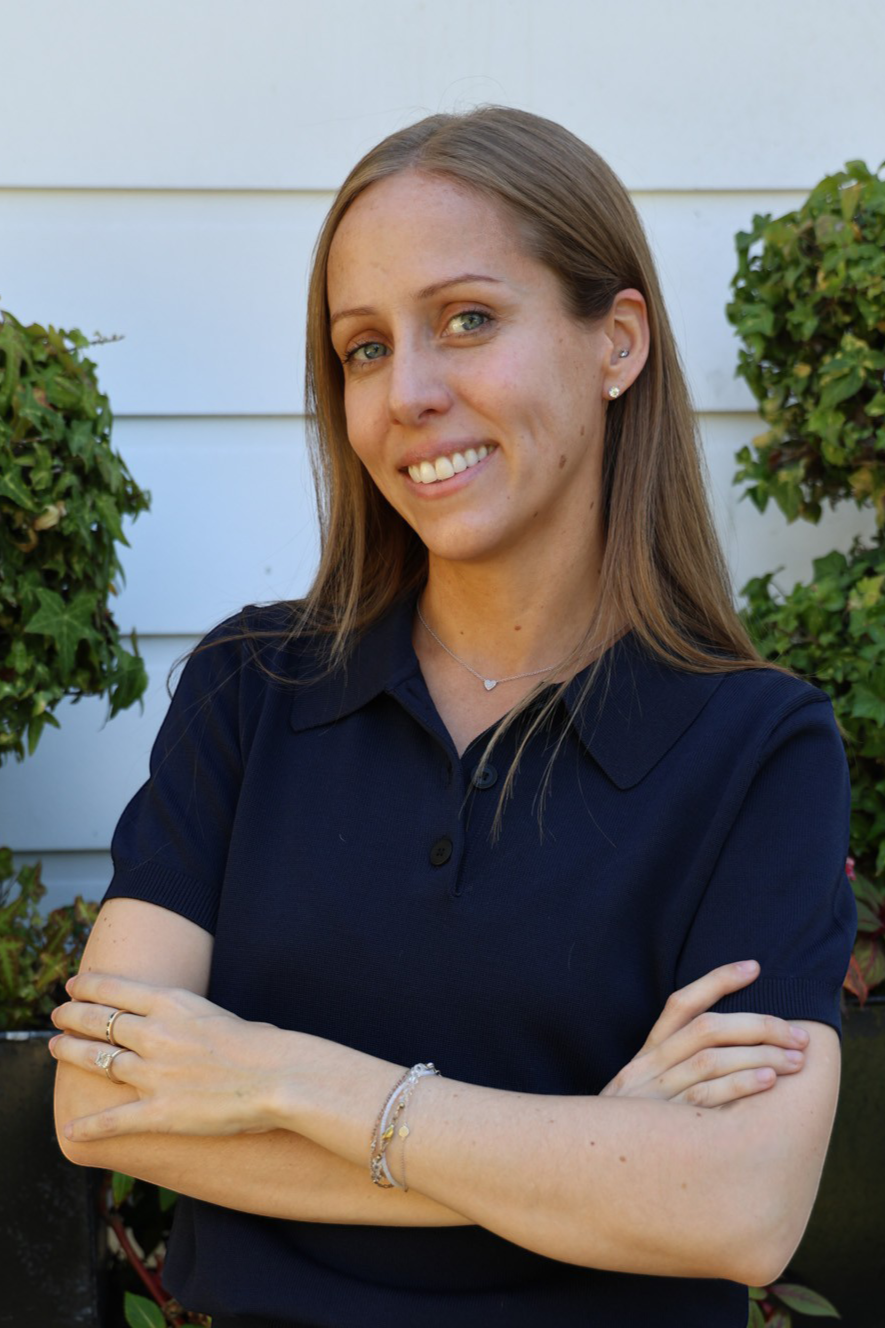
I relate to many of my client’s lived experiences and bring my own journey of healing and recovery into the room. I am open, honest, direct and make sure our relationship is one that feels safe and authentic.
How do you want to feel?
Schedule A Consultation